


Introduction
In 2024, the cryptocurrency industry faced significant turmoil, with approximately $4.1 billion lost to DeFi hacks. This staggering figure highlights the urgent need for robust regulatory frameworks, especially in key markets like Singapore. As digital assets continue to gain traction, regulatory bodies are working diligently to create safe environments for innovation. One of the key initiatives is the regulatory sandbox, providing a controlled space for cryptocurrency projects to test their products under regulatory oversight while ensuring consumer protection.
This article will delve into the recent updates on Singapore’s crypto regulatory sandbox, examining what it means for innovators and the broader market.
What is a Regulatory Sandbox?
A regulatory sandbox is essentially a framework that allows companies to test their products and services in a controlled environment with relaxed regulatory requirements. Think of it as a controlled playground for companies developing blockchain technologies and applications.
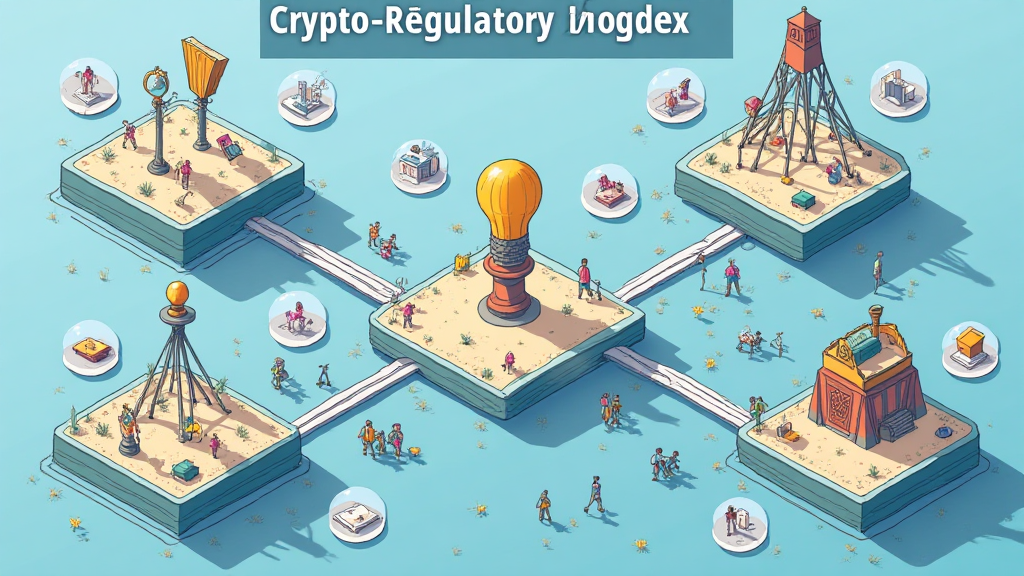
In Singapore, the Monetary Authority of Singapore (MAS) has been a pioneer in this regard, offering a space where crypto startups can experiment with their offerings while ensuring compliance with local laws.
Purpose of the Regulatory Sandbox
- Encourage Innovation: The overarching goal is to foster innovation in the financial services landscape.
- Consumer Protection: Ensuring that adequate protections are in place for users.
- Data Gathering: Gathering data on how innovative financial technologies can be safely integrated into the market.
Recent Updates: What’s New in Singapore’s Crypto Regulatory Sandbox?
Recent developments have showcased Singapore’s commitment to evolving its regulatory framework to embrace new technologies while safeguarding its citizens. Here are the key updates:
1. Expansion of Eligible Projects
The MAS has expanded the types of projects eligible for the regulatory sandbox, including:
- Decentralized finance (DeFi) applications
- Cryptocurrency exchanges
- Blockchain-based lending platforms
This expansion indicates a growing acceptance of diverse blockchain applications, essential in accommodating local and regional market needs.
2. Enhanced Collaboration with Industry Stakeholders
The MAS is actively collaborating with various stakeholders, including technology firms, academic institutions, and other regulators to strengthen the regulatory framework. This collaboration aims to build a cohesive approach that considers the rapidly changing landscape of digital assets.
3. Stricter Compliance Requirements
Along with the expansion, there are updated compliance requirements that ensure projects operate transparently and securely:
- Mandatory AML and KYC processes
- Increased reporting obligations
- Higher requirements for cybersecurity practices
This ensures that while innovation is encouraged, consumer safety and trust remain the top priority.
The Impact of Singapore’s Regulatory Sandbox on Innovation
With the above updates in mind, let’s examine how these changes are likely to shape the future of innovation in the region.
1. Attracting Global Talent and Investment
Singapore has positioned itself as a crypto-friendly jurisdiction. The enhancements in the sandbox regulations signal a welcoming environment for global talent and investment. Startups from around the world are looking to Singapore as a potential launchpad for their projects.
2. Increased Accountability and Consumer Trust
By enforcing stricter compliance, consumers can have more confidence in emerging projects. Transparency in operations means that users can trust that they are engaging with reputable businesses, which can significantly boost adoption rates.
3. Creating an Ecosystem for Growth
As more projects enter the sandbox, they can collectively contribute to developing an ecosystem that encourages learning, sharing, and collaboration. This community grows stronger as projects share successes and failures, ultimately leading to more refined offerings for the market.
Challenges and Considerations Ahead
While the updates are promising, challenges remain:
- Navigating Compliance: Startups will need to invest time and resources into understanding and complying with the new requirements.
- Market Competition: As more entities enter the market, competition will intensify, making it crucial for startups to differentiate themselves.
- Regulatory Uncertainty: The rapidly changing landscape of regulations globally means that what stands today may evolve in the near future.
Conclusion
The updates to Singapore’s crypto regulatory sandbox are a significant step towards creating a more secure and innovative digital landscape. As the industry navigates these changes, it becomes imperative for all stakeholders to remain agile, responsive, and ready to adapt. By fostering a balanced approach to regulation, Singapore is clearly on the path to becoming a leading hub for blockchain innovation.
With a commitment to supporting the next generation of blockchain applications, the MAS continues its journey towards establishing a robust regulatory framework. Companies and investors alike should keep a keen eye on these developments as they hold the potential to redefine the digital asset landscape in Southeast Asia and beyond.
For anyone involved in the crypto space, staying abreast of regulatory trends will be critical to success. Discover all you need to know about these evolving regulations right here at globalcryptolearn. Whether you’re looking for guidance on smart contracts or the latest insights into Vietnam’s crypto growth, we’ve got you covered.


