


Introduction: A Shift in the Consensus Mechanism
With
The Basics of Blockchain Consensus Mechanisms
At its core, a
What is Proof of Work?
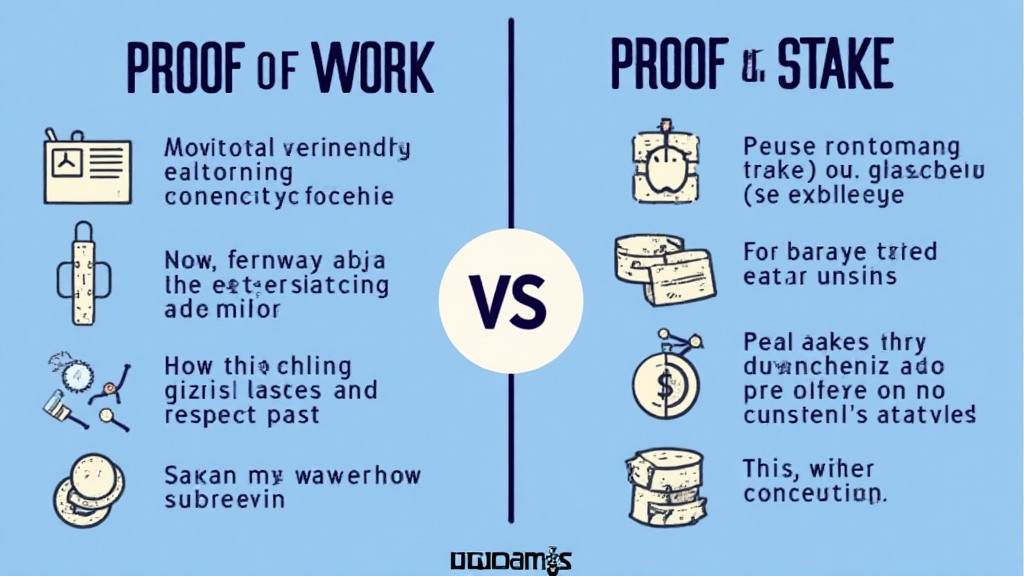
Proof of Work is the original consensus algorithm used by Bitcoin, which was proposed in 2008 by an individual or group known as Satoshi Nakamoto. This method requires miners to solve complex mathematical problems to validate transactions and create new blocks. Successful miners are rewarded with cryptocurrency. Here’s the catch: as more miners join, the problems get tougher, requiring substantial computational power and electricity.
What is Proof of Stake?
On the other hand, Proof of Stake selects validators based on the number of coins they hold and are willing to ‘stake’ as collateral. This method drastically reduces the energy expenditure compared to PoW. Instead of racing to solve a problem, validators are chosen based on their stake and the amount they hold, giving them a financial incentive to act honestly.
Comparing PoW and PoS
Let’s break it down: here are some key differences between Proof of Work and Proof of Stake:
ong>Energy Consumption: ong> PoW requires significant electrical power, which has raised environmental concerns, while PoS is energy-efficient.ong>Centralization Risks: ong> PoW can lead to centralization, where mining power is concentrated in a few entities, whereas PoS encourages decentralization by allowing anyone to participate provided they hold the currency.ong>Security Vulnerabilities: ong> PoW is vulnerable to 51% attacks, while PoS has its own vulnerabilities but generally provides higher security against such attacks through economic penalties.ong>Incentives: ong> PoW rewards miners with new coins; PoS rewards validators with transaction fees and new coins proportionately to their stake.
The Environmental Impact of Consensus Mechanisms
Environmental concerns surrounding PoW have grown with the increasing energy usage linked to mining operations. For example,
- Ethereum 2.0: A move to PoS reportedly reduces energy consumption by over
ong>99% ong>. - Vietnam’s crypto market is also growing, with a user growth rate of
ong>150% ong> in the last year, prompting discussions about sustainable energy solutions.
Scalability: PoW vs PoS
Scalability refers to the system’s ability to handle a growing amount of transactions. PoW’s method of transaction verification can result in slower transaction speeds. In contrast, PoS is often better equipped for scalability, allowing for faster transaction confirmations. Scenarios like Ethereum’s transition show promise for future networks. Here’s a comparison:
| Mechanism | Transactions per Second | Finalization Time |
|---|---|---|
| PoW | 7 | 10-30 minutes |
| PoS | Up to 2000 | 1-2 minutes |
The Future Landscape of Cryptocurrency
The transition towards PoS mechanisms indicates a marked shift in how cryptocurrencies might operate in the coming years. With the implementation of
As blockchain technology continues to adapt, keeping abreast of innovations and emerging protocols is crucial.
Conclusion: Which Consensus Mechanism Will Prevail?
In conclusion, both Proof of Work and Proof of Stake offer distinct advantages and challenges that must be understood in context. While PoW has been foundational for cryptocurrencies like Bitcoin, the rising adoption of PoS systems showcases a path towards more sustainable and scalable solutions. Make no mistake, the evolution of consensus mechanisms will play a crucial role in shaping the future of finance.
As users, investors, and developers, we must remain informed about these dynamics to make educated choices about digital currencies and their underlying technologies.
For ongoing updates on blockchain technology and cryptocurrency, visit globalcryptolearn.
Author: Dr. Alex Tran
Cryptocurrency Expert, Published over 20 papers in blockchain technology, Lead Auditor for notable crypto projects.


