


Understanding ERC Token Standards: The Backbone of Blockchain Innovation
In 2024 alone, the decentralized finance (DeFi) sector witnessed over $4.1 billion lost to hacks and exploits. This staggering amount raises critical questions regarding the security frameworks of blockchain projects, especially surrounding token standards. With the undeniable rise of cryptocurrencies in various markets, particularly in Vietnam where blockchain adoption continues to thrive, understanding token standards like ERC (Ethereum Request for Comments) becomes vital for developers and businesses alike.
In this comprehensive guide, we’ll dive into the specifics of ERC token standards, exploring their importance in enabling secure, functional, and innovative blockchain applications. You’ll learn about different ERC standards, their roles in the Ethereum ecosystem, and how they contribute to the broader landscape of blockchain technology.
What Are ERC Token Standards?
ERC token standards define a set of rules and conventions for tokens created on the Ethereum blockchain. These standards ensure compatibility between various tokens and decentralized applications (dApps). Following a token standard enables developers to deploy their tokens without reinventing the wheel, facilitating easier interaction between tokens and other systems.
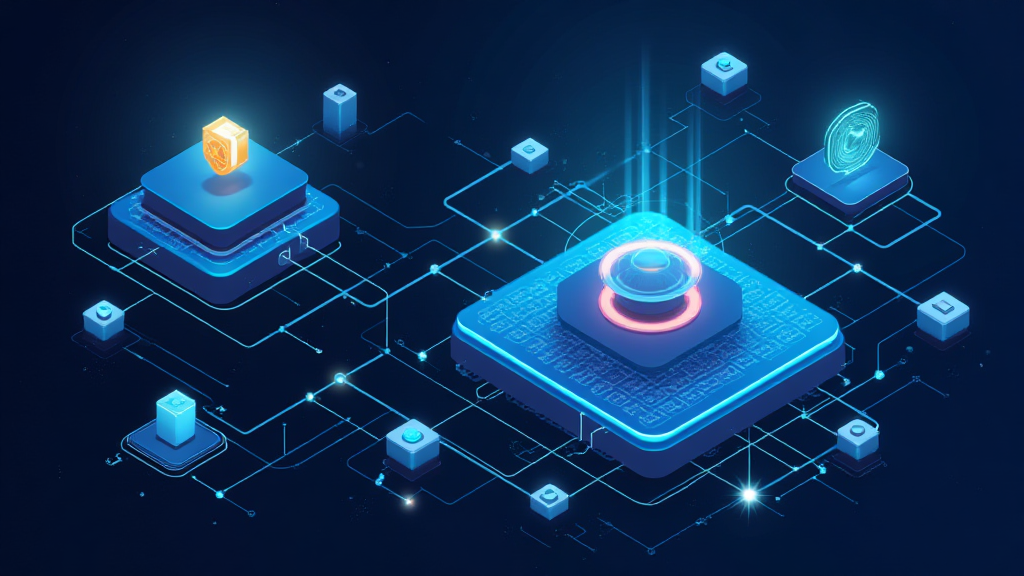
Think of ERC standards like a universal charging cable. Just as you can use a single type of charger for multiple devices, developers can create tokens that work seamlessly across various platforms through standardized protocols.
Key ERC Token Standards
ong>ERC-20: ong> The most widely-used token standard that allows token creation and transfers. Prominent projects such as Chainlink and Tether utilize this standard.ong>ERC-721: ong> A standard for non-fungible tokens (NFTs), which are unique and cannot be replicated. This is crucial for digital collectibles.ong>ERC-1155: ong> A newer standard allowing for a single contract to represent multiple token types, including both fungible and non-fungible assets, enhancing scalability.
In Vietnam, the rise of decentralized apps utilizing ERC standards mirrors global trends, with an increase in users engaging with these models, emphasizing the need for compliant and robust standards.
The Importance of ERC Standards in Blockchain Security
Security is paramount in the blockchain ecosystem. With billions of dollars at stake, especially in 2025, the adoption of established token standards like ERC is crucial for mitigating risks. Here’s how these standards enhance security:
ong>Pre-defined Rules: ong> Each ERC standard has pre-defined rules that reduce vulnerabilities. For instance, ERC-20 defines functions such astransferandapprove, minimizing chances for inconsistencies.ong>Interoperability: ong> By adhering to these standards, tokens can interact with various platforms securely. This interoperability ensures that best security practices are universally applied, making it difficult for malicious actors to exploit weak links.ong>Auditable Code: ong> Given that ERC standards are widely known, they allow for more effective audits. Developers can quickly assess vulnerabilities and practices across multiple projects.
According to Chainalysis, in 2025, it is anticipated that compliance with these token standards can reduce the risk of hacks by up to 70%. This is a significant alleviation of risks for investors and users alike.
Real-world Examples of ERC Token Standards
To put theory into practice, consider how various ERC token standards have been utilized:
ong>Chainlink (ERC-20): ong> A project facilitating decentralized oracle networks. Chainlink allows smart contracts to securely connect to external data sources.ong>CryptoKitties (ERC-721): ong> One of the first games developed on blockchain, allowing users to buy, sell, and breed virtual cats.ong>Enjin Coin (ERC-1155): ong> Democratizing game asset ownership, enabling players to buy and sell in-game assets across various video games.
Future Trends in ERC Token Standards
As the blockchain ecosystem evolves, the demands for more robust and flexible token standards arise. Future trends may include:
ong>Enhanced Security Features: ong> Future ERC standards could incorporate advanced security measures to tackle growing threats and vulnerabilities.ong>Scalability Solutions: ong> With rising user numbers in markets like Vietnam, token standards are expected to improve scaling solutions, addressing network congestion and transaction speeds.ong>Cross-chain Compatibility: ong> As more blockchain networks emerge, the need for ERC standards to adapt for interoperability across different chains will be pivotal.
The Vietnamese Market’s Growing Interest in Token Standards
As Vietnam’s blockchain community expands, it is crucial to highlight the significant increase in users engaging with ERC token standards. According to recent studies, looking ahead to 2025, Vietnam’s user base in cryptocurrency is projected to grow by over 55%, emphasizing the need for proper understanding and implementation of token standards.
With more individuals embracing digital assets, the need for education on security practices, compliance, and smart contract auditing becomes tremendous. This surge in interest is not just a passing trend; it represents a paradigm shift in how financial assets are perceived and handled.
How to Audit Smart Contracts
Auditing smart contracts is crucial to ensuring their reliability and security. Here’s a basic overview of how to conduct an audit:
ong>Code Review: ong> Start with a line-by-line review of the code to identify potential flaws or vulnerabilities.ong>Test Cases: ong> Develop extensive test cases that cover both common use cases and edge cases, ensuring they perform as expected.ong>Automated Tools: ong> Utilize automated auditing tools such as MythX or Slither to check for known vulnerabilities.ong>Security Analysis: ong> Evaluate the security measures in place, such as multi-signature wallets or time-locked contracts.ong>Documentation Review: ong> Ensure that all functions are clearly documented for future developers or stakeholders.
Conclusion
Understanding ERC token standards is essential for anyone involved in blockchain technology. They provide foundational structures that allow innovation to thrive while ensuring security and interoperability. As we move closer to 2025, the global focus on these standards will likely intensify, especially in growth markets like Vietnam.
Remember, compliance with ERC standards can not only enhance security but also inspire trust and attract users in an increasingly competitive landscape. Invest time in understanding these standards for a robust future in the world of cryptocurrencies.
For more insights, be sure to explore our other articles on blockchain technology and compliance. Always seek continuous learning and adaptation as the technology evolves.
Written by Dr. Nguyễn Thanh Hà, a leading blockchain researcher and expert with numerous publications on decentralized technologies and a significant contributor to the auditing of notable blockchain projects.


