


Introduction
In the volatile world of cryptocurrency trading, day traders are often left grappling with numerous strategies to maximize their gains. As of 2023, estimates reveal that more than 500,000 cryptocurrency traders engage in day trading daily. With $4.1 billion lost to DeFi hacks in 2024, trading sensibly necessitates better tools and insights. Utilizing the best technical indicators can be a game-changer for your trading performance.
This article aims to explore the best technical indicators for day trading and offers insights into how these tools can be pivotal in making informed decisions. We will discuss key indicators, their applications, and their particular effectiveness in the dynamic Vietnamese market, where trading numbers are steadily increasing.
Understanding Technical Indicators
Technical indicators serve as calculations based on the price and/or volume of a particular security or asset. These indicators help traders analyze market trends and forecast future price movements. For cryptocurrency day traders, employing efficient technical indicators is essential for validating trading decisions.
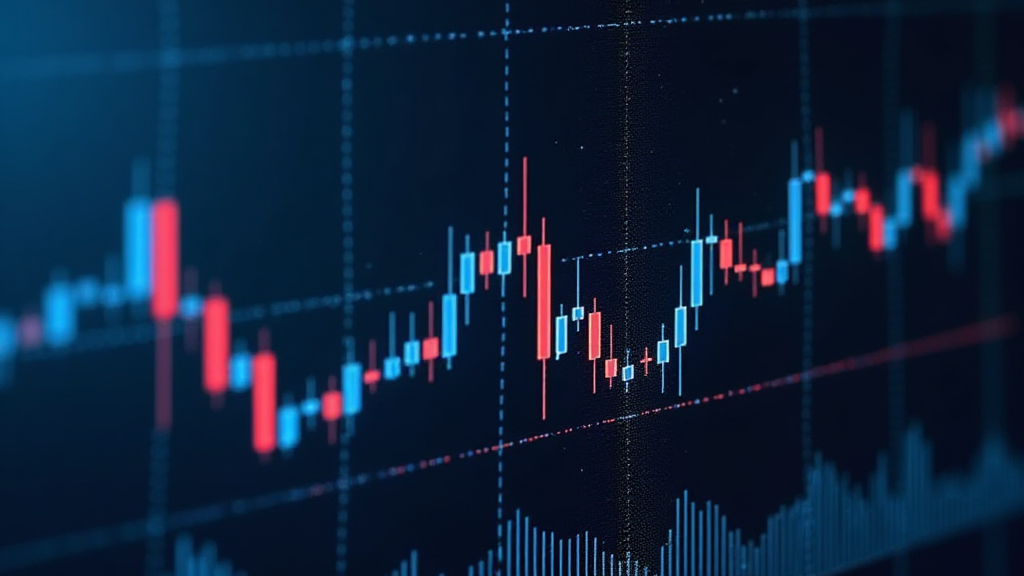
1. Moving Averages (MA)
One of the most fundamental indicators, moving averages smooth out price data to create a trend-following indicator. Traders often use two types of moving averages:
- Simple Moving Average (SMA): An average price over a specified period.
- Exponential Moving Average (EMA): Gives more weight to recent prices, thus responding quicker to price changes.
For instance, a common strategy is to look for crossovers, where a short-term EMA crosses a long-term SMA, indicating potential buying or selling opportunities.
2. Relative Strength Index (RSI)
The RSI ranges from 0 to 100 and is used to determine overbought or oversold conditions in a market. A level above 70 indicates that an asset may be overbought, while a level below 30 may suggest it is oversold. This gives traders a sense of momentum:
- When RSI rises above 70, consider selling.
- When RSI drops below 30, consider buying.
In a market driven by emotional responses to price fluctuations, RSI serves as a powerful tool to counter impulsive decisions.
3. MACD (Moving Average Convergence Divergence)
MACD consists of two moving averages that converge and diverge, along with a histogram. The crossover of the MACD line (the difference between the two EMAs) and the signal line (an EMA of the MACD line) generates buy and sell signals:
- When the MACD crosses above the signal line, it indicates a buying opportunity.
- When the MACD crosses below, it suggests a potential sell signal.
Using MACD with varying time intervals can yield a better insight into market conditions.
4. Bollinger Bands
Bollinger Bands consist of a middle band (SMA) and two outer bands that are standard deviations away from the SMA. This setup helps to gauge volatility:
- Price touching the upper band may indicate overbought conditions.
- Price touching the lower band may indicate oversold conditions.
In a day trading context, Bollinger Bands can alert traders to potential breakouts or reversals.
5. Volume Indicators
Volume indicators provide crucial insight into market activity. Key volume indicators include:
- On-Balance Volume (OBV): Uses volume flow to predict changes in stock price.
- Chaikin Money Flow (CMF): Measures the buying and selling pressure for a specific time period.
In cryptocurrency markets where volume can greatly affect price movements, incorporating these indicators can significantly enhance trading strategies.
Application in the Vietnamese Market
Vietnam is experiencing a robust increase in cryptocurrency engagement. As of 2023, crypto ownership in Vietnam soared by 40% in the past year alone, highlighting the necessity for effective trading strategies among local traders.
Given this upswing, understanding and applying these technical indicators tailored to the unique crypto landscape in Vietnam can improve trading outcomes significantly.
Local Trends Impacting Day Trading
In Vietnam, the rapid expansion of digital finance means traders must remain updated with local regulations and market conditions. As the demand for cryptocurrencies grows, the volatility presents both opportunities and risks. Therefore, leveraging technical indicators to navigate this evolving landscape is critical.
Integrating Technical Indicators into Trading Strategy
Employing the best technical indicators for day trading involves integrating these tools into a comprehensive trading strategy. Here’s how to do just that:
- Identify Objectives: Establish clear trading goals—whether short-term or long-term.
- Combine Multiple Indicators: Relying on a single indicator can lead to misleading signals; a combination of indicators will provide a fuller market perspective.
- Backtest Strategies: Backtest your strategies against historical data to improve confidence in your approach.
- Monitor Market Conditions: Keep an eye on local and global news that might affect the market.
Risks and Considerations
While technical indicators are useful, they also come with certain limitations:
- They are lagging indicators and might not predict rapid market changes.
- False signals can lead to unwise trading decisions, especially in highly volatile environments like cryptocurrencies.
- Emotional biases can cloud judgment; disciplined trading is essential.
Thus, always prioritize risk management strategies, such as stop-loss orders and diversification, to safeguard capital.
Conclusion
In conclusion, the best technical indicators for day trading can significantly enhance your trading strategy in the dynamic landscape of cryptocurrency markets. By applying moving averages, RSI, MACD, Bollinger Bands, and volume indicators, traders can make informed decisions that minimize risk and maximize profit potential.
For traders in Vietnam and beyond, using these tools wisely—coupled with discipline and market awareness—can pave the way for successful day trading.
At globalcryptolearn, we are committed to bringing the latest insights and tools to help you navigate the unpredictable world of cryptocurrency trading.
Author Bio
Dr. Alex Turner is an acclaimed blockchain analyst and author with over 15 published articles in the realm of digital finance. He has led audits for several prominent DeFi projects and possesses a wealth of experience in technical analysis.


