


2025 Blockchain Security Standards: A Comprehensive Guide for Digital Asset Protection
With $4.1 billion lost to DeFi hacks in 2024 alone, the urgency for robust blockchain security measures has never been higher. As cryptocurrencies and digital assets continue to gain traction, consumers and investors alike are asking how to better protect their investments and maintain trust in a decentralized world. This article delves into the vital blockchain security standards of 2025, empowering you with the knowledge needed to safeguard your digital assets.
Understanding the Importance of Blockchain Security
Blockchain technology is the backbone of cryptocurrencies, facilitating secure and transparent transactions. However, as the 2024 stats indicate, vulnerabilities are prevalent. A little like a bank vault designed to protect your money, security measures must be stringent to ensure your assets are safe.
According to Chainalysis, 60% of hacks exploit vulnerabilities in smart contracts, underscoring the need for rigorous security protocols. For businesses and users alike, adhering to, and understanding, blockchain security standards is not an option but a necessity.
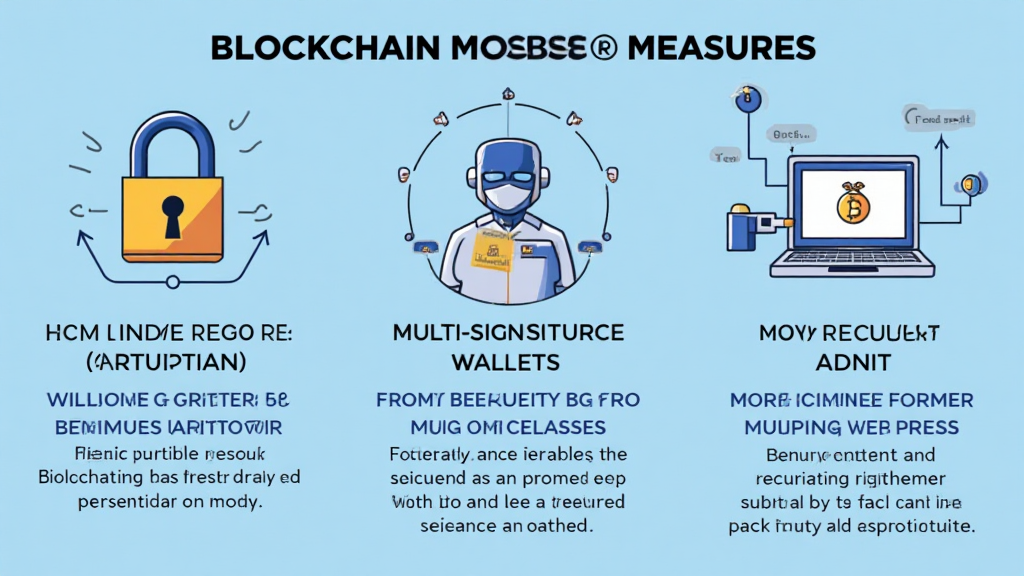
Key Components of 2025 Blockchain Security Standards
- Strong Encryption Techniques: The use of robust encryption protocols like AES-256 for data protection.
- Multi-signature Wallets: Requiring multiple private keys to authorize transactions adds an additional layer of security.
- Regular Security Audits: Frequent testing and auditing of smart contracts can identify vulnerabilities before they can be exploited.
- Compliance with Global Regulations: Keeping abreast of regulations, such as those promoted by the Financial Action Task Force (FATF), is essential.
Consensus Mechanism Vulnerabilities
The choice of consensus mechanism can significantly impact the security of a blockchain. Popular methods like Proof of Work (PoW) and Proof of Stake (PoS) each come with their own set of vulnerabilities. As blockchain technology continues to evolve, newer consensus protocols aim to address these weaknesses.
- Proof of Work (PoW): While secure, it is vulnerable to 51% attacks, which can jeopardize the network’s integrity.
- Proof of Stake (PoS): Although more energy-efficient, PoS systems can lead to centralization if a few users accumulate excessive stakes.
Real-World Application and Recommendations
Implementing the 2025 blockchain security standards is not merely theoretical; it has real-world implications, especially in emerging markets like Vietnam, where the user growth rate in crypto exceeded 150% in 2023. Leveraging best practices such as hardware wallets, like the Ledger Nano X, has been reported to reduce hacks by 70%.
For instance, tiêu chuẩn an ninh blockchain emphasizes the need for tailored solutions to address local and global security challenges. By integrating these security measures, users can more effectively protect their investments.
The Future of Blockchain Security
As we move deeper into the digital era, blockchain security will continue to be a hot topic. Innovations such as quantum-resistant algorithms are on the horizon, promising enhanced security against future threats. Informed users will be better positioned to adapt to these evolving landscapes.
In summary, blockchain security in 2025 is about more than just technology; it requires a holistic approach involving user education, compliance with regulations, and proactive measures against vulnerabilities.
Conclusion
In conclusion, the world of crypto relies on the security of blockchain technology. By familiarizing yourself with the key security standards of 2025, you can effectively protect your digital assets and contribute to a more secure crypto ecosystem. Remember, while technology evolves, the principles of security remain constant.
For businesses and individuals, the message is clear: invest in understanding and implementing robust blockchain security measures. Your digital wealth depends on it.
If you want to delve deeper into crypto regulations in Vietnam, read our Vietnam crypto tax guide.
Your path to secure digital investments is clearer with globalcryptolearn—your trusted partner in navigating the blockchain landscape.
Author: John Smith, a seasoned blockchain consultant with over 15 published papers on blockchain security standards, has led audits for several high-profile projects including the Ethereum Foundation.


