


Web3 Gaming Innovation: The Future of Interactive Entertainment
In 2024, the gaming industry witnessed a remarkable transformation, with the growth of blockchain-based gaming reaching new heights. According to recent studies, the global gaming market is expected to exceed $250 billion by 2025, driven mainly by innovations in Web3 technology. This article explores the emerging trends and innovations in Web3 gaming, emphasizing the ways blockchain technology is revolutionizing this dynamic industry.
Understanding Web3 Gaming
Web3 gaming refers to interactive video games that leverage blockchain technology, enabling decentralized control and true ownership of in-game assets. Unlike traditional gaming, where developers maintain full authority over the gaming ecosystem, Web3 allows players to own, trade, and sell their in-game items on decentralized exchanges.
Here’s a breakdown of the critical components defining Web3 gaming:
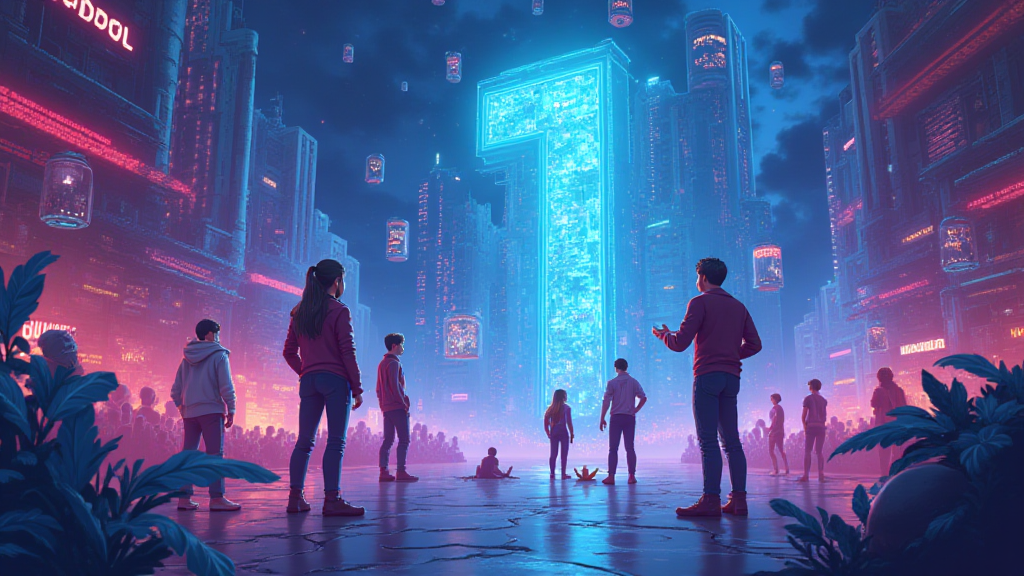
ong>Decentralization: ong> Reduces the risk of censorship and ensures that no single entity has control over the game.ong>True Ownership: ong> Players can genuinely own their assets, verified through blockchain records.ong>Play-to-Earn (P2E): ong> Mechanics that enable players to earn rewards in the form of cryptocurrency or NFTs.ong>Interoperability: ong> Different games can interact and share assets, enhancing the user’s gaming experience.
By incorporating these elements, Web3 gaming innovates how players interact with game environments.
The Impact of Blockchain on Game Development
Blockchain technology offers numerous advantages for game developers seeking to improve user experiences. It fosters innovation in the following ways:
ong>Transparency: ong> Players can track transactions and interactions within the game, ensuring fairness.ong>Securitized Assets: ong> Players’ investments in the game ecosystem are safeguarded through blockchain’s cryptographic principles, enhancing trust.ong>Community-Driven Development: ong> Players can participate in governance through decentralized autonomous organizations (DAOs), shaping game mechanics and future developments.
For instance, the game Axie Infinity has successfully implemented P2E mechanics, allowing users to earn cryptocurrency by playing. This model has attracted millions of players globally, significantly impacting traditional gaming approaches.
Emerging Trends in Web3 Gaming Innovation
To fully leverage the potential of Web3, innovative trends are emerging within the gaming sector:
1. Blockchain as a Service (BaaS)
Companies like Enjin and Immutable are providing BaaS platforms, simplifying the integration of blockchain into games. These platforms allow developers to build on existing infrastructures without deep blockchain expertise.
2. Non-Fungible Tokens (NFTs)
NFTs have redefined ownership in gaming. By representing unique assets, they allow players to buy, sell, and trade in-game items, enhancing player engagement. Data from DappRadar shows that NFT trading in games has grown by over 400% from 2023 to 2024.
3. Gamification of Finance
Games are incorporating financial elements, where players can invest, stake, or even lend their in-game cryptocurrencies, turning gaming into a new financial ecosystem.
Challenges Facing Web3 Gaming
Despite its promise, Web3 gaming faces various challenges:
ong>Scalability: ong> High transaction costs and slow speeds on popular networks hinder seamless gaming experiences.ong>User Education: ong> Players need education on how to navigate blockchain and cryptocurrency technologies.ong>Regulatory Uncertainty: ong> Jurisdictional differences in cryptocurrency regulation create hurdles for developers and players alike.
In Vietnam, for example, gaming adoption is rapidly growing, with a 35% increase in active users projected for 2025, showing the potential for blockchain applications in local markets.
Case Studies: Successful Web3 Gaming Projects
Examining successful projects can provide insights into effective Web3 gaming strategies:
1. Decentraland
Decentraland is a virtual reality platform powered by Ethereum, where players can create, explore, and trade digital real estate. Its usage of NFTs allows players to own distinct pieces of virtual land.
2. The Sandbox
Sandbox allows users to create and monetize their voxel assets, showcasing a powerful community-driven ecosystem. It demonstrates how player-generated content can thrive within a blockchain framework.
The Future of Web3 Gaming Innovation
As the landscape evolves, several predictions emerge for the gaming industry:
- The integration of AI with blockchain could yield even smarter and more responsive gaming systems.
- Increased collaboration between traditional gaming companies and blockchain startups to enhance gaming experiences.
- Growth in mobile Web3 gaming, particularly in markets like Vietnam, where mobile internet usage is soaring.
By understanding these trends, businesses can better position themselves in the rapidly evolving Web3 gaming market.
Conclusion
Web3 gaming innovation is transforming the industry by providing new opportunities for players and developers alike. With advancements in decentralization, NFTs, and community engagement, the future looks promising. As we move into 2025, businesses and players need to adapt to thrive in this new gaming ecosystem. For more detailed insights, visit hibt.com.
Not financial advice. Consult local regulators. Whether you’re new to the gaming world or a seasoned player, staying informed about these innovations is crucial. By understanding the dynamics of Web3 gaming, you can better navigate this exciting frontier.
on” src=”https://example.com/web3-gaming-innovation.jpg” />


