


Decentralized Identity Solutions in Web3: The Future of Digital Security
With the digital landscape evolving rapidly, the need for secure, user-owned identity solutions has become paramount. The vast sums lost to hacks, totaling over $4.1 billion in DeFi hacks alone in 2024, highlight the urgent need for decentralized identity solutions in Web3. This article delves into the intricacies of decentralized identities and their implications for the future of digital security.
Understanding Decentralized Identity Solutions
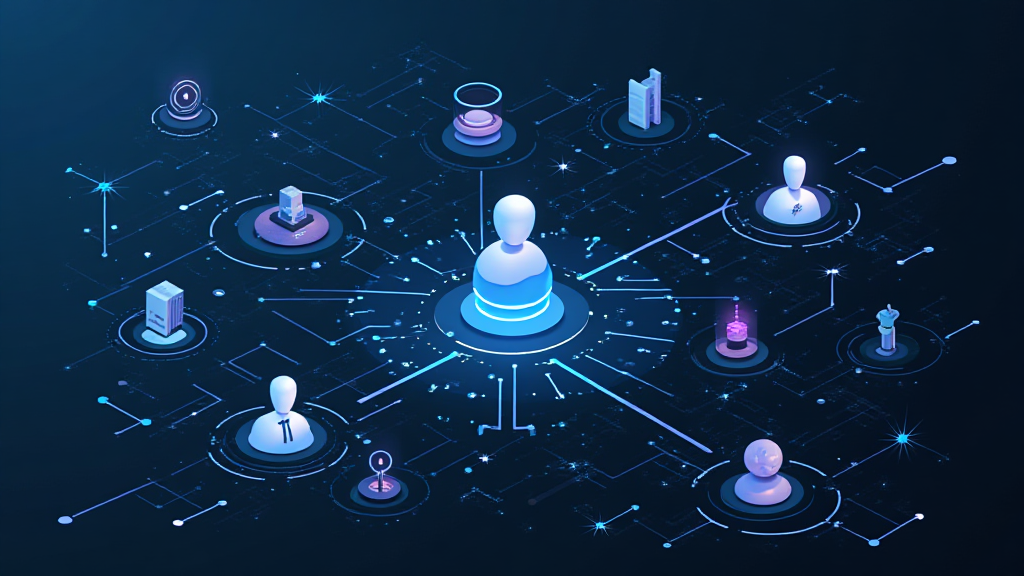
Decentralized identity solutions represent a paradigm shift in identity management. Unlike traditional systems where identities are managed through central authorities, decentralized identities (DIDs) allow users to own and control their credentials without intermediary involvement. This is achieved through blockchain technology, which acts like a digital vault, ensuring data integrity and security.
How Do Decentralized Identities Work?
- DIDs are created using cryptographic algorithms that ensure data privacy and ownership.
- Users can manage their identity information across/”>cross various platforms without sharing their personal data.
- Verifiable credentials can be issued, which serve as digital proof of identity without revealing sensitive information.
The Role of Blockchain in Decentralized Identities
Blockchain technology plays a crucial role in the implementation of decentralized identity solutions. By providing a distributed ledger, it ensures that identity data is immutable and secure. This decentralization minimizes risks associated with centralized identity systems, such as data breaches and identity theft.
Benefits of Decentralized Identity Solutions
ong>User Empowerment: ong> Individuals regain control over their personal data and who has access to it.ong>Enhanced Security: ong> Decentralized systems reduce the attack surface for hackers, lowering instances of identity fraud.ong>Privacy Preservation: ong> Users can selectively disclose information instead of sharing their entire identity.
Real-World Applications of Decentralized Identity Solutions
Several industries are starting to adopt decentralized identity solutions, transforming how they handle user authentication and data security:
ong>Finance: ong> Banks and fintech companies are utilizing DIDs to streamline KYC (Know Your Customer) processes, speeding up onboarding while enhancing security.ong>Healthcare: ong> Patients can own and control access to their medical records, sharing them selectively while ensuring privacy.ong>Supply Chain: ong> Businesses can verify the identity of suppliers and partners, ensuring authenticity and reducing fraud.
The Growth of Decentralized Identity Solutions in Vietnam
In Vietnam, the growth rate of users engaging with blockchain technology is notably high, with reports indicating a surge in interest in decentralized identity solutions. The Vietnamese government is also exploring regulatory frameworks to facilitate the adoption of blockchain technology, paving the way for enhanced digital security across/”>cross the country. As businesses seek to enhance security and comply with regulations, decentralized identity solutions are becoming an attractive option.
For instance, the integration of
Challenges and Considerations
While decentralized identity solutions offer many advantages, they are not without challenges:
ong>Adoption Hurdles: ong> Many organizations may be hesitant to shift to decentralized systems due to existing infrastructure and processes.ong>Regulatory Frameworks: ong> As the technology is still evolving, clear regulations must be established to ensure compliance and protect users.ong>Technical Barriers: ong> Implementation requires understanding and expertise in blockchain technology, which may be lacking in some sectors.
The Future of Decentralized Identity Solutions in Web3
As we move towards a more digital future, decentralized identity solutions are poised to play a crucial role in Web3. By addressing security concerns and putting users in control of their identity, these solutions can redefine digital interactions. The integration of decentralized identities with emerging technologies such as AI and IoT is likely to create an even more secure and efficient digital ecosystem.
Furthermore, as the demand for online privacy grows, decentralized identities represent a pathway to regain trust and security in digital transactions. The future will also see an increase in interoperability between various decentralized identity systems, allowing users to transport their identities across/”>cross platforms seamlessly.
Conclusion
The rise of decentralized identity solutions in Web3 marks a significant shift towards empowering users with greater control over their personal data while enhancing security. As we continue to see innovations and an increased focus on user privacy, adopting decentralized identities is not just a trend; it is becoming essential for businesses and individuals alike.
As we consider the future, it’s important to remain informed and proactive about these technologies. By staying updated, companies can leverage decentralized identity solutions to improve their security posture, enhance user trust, and stay ahead in an increasingly competitive digital world.
For more insights on how to navigate this evolving landscape, visit globalcryptolearn.
Expert Author: Dr. Alex Johnson, a blockchain specialist, has authored over 20 papers on digital identities and led audits on prominent blockchain projects. His insights into decentralized technologies are critical for understanding the future of digital security.


