


Liquid Staking Derivatives Guide: A Deep Dive
What is Liquid Staking?
In traditional staking, users lock up their assets to support the network and earn rewards. However, this comes at the cost of liquidity.
To illustrate, imagine buying a house (your staked assets). In traditional staking, you can’t freely sell or use that house until you sell it. With liquid staking, it’s as if you have a digital representation of your house in the form of a token, which you can trade or use elsewhere.
How Does Liquid Staking Work?
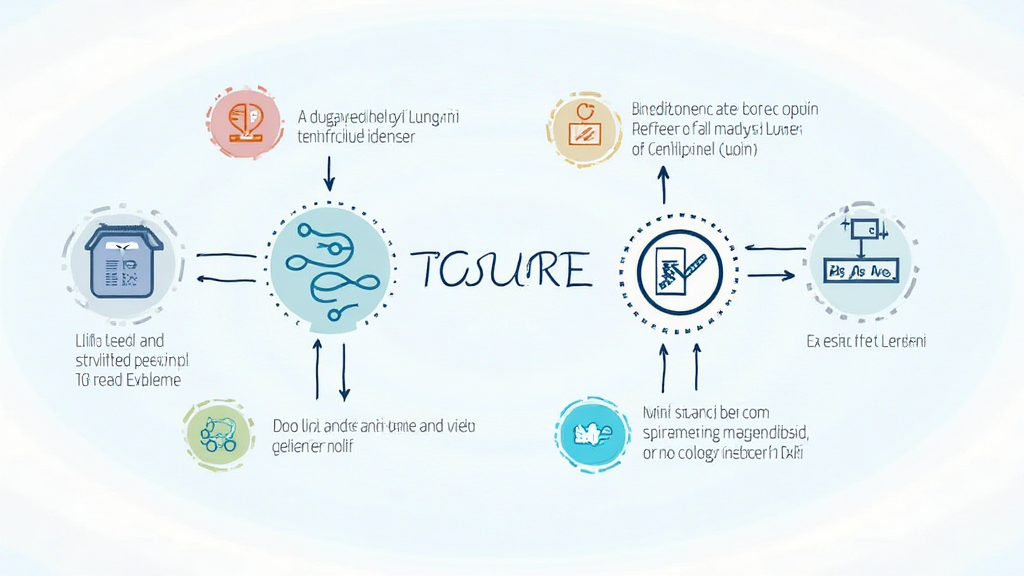
Here’s a breakdown of how the liquid staking process functions:
ong>Staking Your Assets: ong> Users deposit their cryptocurrencies into a liquid staking protocol.ong>Minting Derivatives: ong> In return, they receive a tokenized representation of their staked assets (e.g., stETH for Ethereum).ong>Usage of Derivatives: ong> These tokens can then be utilized in various DeFi platforms to provide liquidity, earn interest, or participate in governance.
According to a report by DefiLama, liquid staking solutions are rapidly expanding due to their superior flexibility and potential for yield optimization.
The Advantages of Liquid Staking Derivatives
Liquid staking derivatives come with a plethora of benefits:
ong>Increased Liquidity: ong> Users can leverage their staked assets without waiting for an unbonding period.ong>Yield Optimization: ong> Users can earn staking rewards while simultaneously using their derivative tokens in DeFi protocols.ong>Diversification of Assets: ong> Mitigates risk as users can spread their tokens across/”>cross different platforms for various financial products.
Real-World Example
As an example, platforms like Lido and Rocket Pool allow Ethereum (ETH) holders to stake their assets while receiving stETH or rETH, which can then be used in various DeFi projects. This hybrid approach encourages participation and investment across/”>cross ecosystems.
Risks Associated with Liquid Staking Derivatives
While there are notable advantages, it’s important to consider the risks involved:
ong>Smart Contract Vulnerabilities: ong> Inherent risks in the underlying smart contracts can lead to breaches and loss of funds.ong>Market Risks: ong> Price volatility of the derivative tokens in the market can impact users negatively.ong>Dependence on Platforms: ong> Centralized features can expose users to systemic risks.
How to Choose a Liquid Staking Protocol
When it comes to selecting a liquid staking protocol, consider the following:
ong>Security:** Look for audited platforms with proven security measures. ong>ong>Reputation: ong> Research user reviews and community trust in the protocol.ong>Market Cap and Liquidity: ong> Higher liquidity often indicates better stability and trustworthiness.
Impact of Liquid Staking on the Vietnamese Market
The Vietnamese crypto market is witnessing a surge, with a growth rate of approximately 27% annually over the past three years, making it a fertile ground for liquid staking derivatives to flourish.
As Vietnamese users increasingly engage with staking protocols, it’s essential to recognize the
Future of Liquid Staking Derivatives
With ongoing developments in blockchain technology and increased participation from users worldwide, the liquid staking derivatives market is expected to evolve, offering even greater roles for decentralized finance (DeFi).
Analysts predict that by 2025, liquid staking derivatives could represent over 30% of the total staked assets across/”>cross various networks.
Emerging Trends in Liquid Staking
To stay ahead, observe these trends:
ong>Multi-Chain Staking: ong> New protocols integrating cross/”>cross-chain functionalities.ong>Regulatory Developments: ong> Increasing clarity from regulators can influence strategies and user confidence.ong>Integration with Traditional Finance: ong> Bridging decentralized and traditional financial products will create new opportunities.
Conclusion
Liquid staking derivatives provide a unique and powerful approach to managing crypto assets, allowing users not only to earn staking rewards but also to tap into additional DeFi opportunities.
Investors should always approach with caution and well-researched strategies. With the growing adoption of liquid staking in the Vietnamese market and beyond, educating oneself is key to navigating this evolving landscape.
To stay updated with the latest in crypto finance, follow globalcryptolearn.
Author: Dr. Minh Nguyen, a financial technology expert with over 15 published papers in the blockchain domain and lead auditor for several prominent crypto projects.


